
When you think of the UK’s entertainment scene, pubs, theatre, and streaming services usually come to mind. Yet, over the past five years, a quieter revolution has been unfolding on the backs of billions of smartphones. Mobile gaming now accounts for more than 60 % of all digital playtime in Britain, reshaping how we unwind, socialize, and even spend our leisure budgets. Below, I break down the key ways this trend is rewriting the rules of the entertainment industry.
1. The Shift From Dedicated Consoles to Pocket‑Sized Platforms
In 2018, the UK’s console market was dominated by the PlayStation 5 and Xbox Series X, together selling roughly 250,000 units that year. By 2023, the total number of active mobile gamers in the UK had risen to 38 million, a 15 % jump from 2021. The convenience factor is obvious: a game that can be launched in seconds, played on a commute, or during a lunch break is a far more attractive proposition for the 40‑year‑old office worker than a console that requires a TV and a controller.
- Average play session on a mobile device: 12 minutes.
- Average daily spend per mobile gamer: £1.30.
- Number of free‑to‑play titles downloaded per month: 4.5 million.
Because mobile games are often free to start, they lower the barrier to entry. The result is a broader audience base that includes people who might never have considered gaming as a hobby.
2. Social Connectivity Through Multiplayer and Streaming Features
Mobile gaming has embraced social media integration to a degree that traditional consoles have not. Titles such as “Clash Royale” and “Among Us” offer in‑app chat, leaderboards, and the ability to share gameplay clips directly to Instagram and TikTok. According to a 2022 study by the UK Digital Games Association, 68 % of mobile gamers report that they play primarily to connect with friends rather than to compete alone.
This social layer has a ripple effect on the broader entertainment ecosystem. Live‑streaming of mobile gameplay now attracts audiences that once watched only console or PC titles. Streaming platforms like Twitch and YouTube Gaming report that mobile streams account for 22 % of all new channel sign‑ups in the UK.
3. Economic Impact: New Revenue Streams and Job Creation
Mobile gaming’s rapid growth has translated into tangible economic benefits. In 2021, the UK’s mobile gaming industry generated £3.2 billion in revenue, up from £2.5 billion in 2019. This surge has created over 1,200 new jobs in game development, marketing, and community management.
However, the freemium model that powers most mobile titles can be a double‑edge sword. While it invites a wider player base, it also encourages micro‑transactions that can lead to “pay‑to‑win” dynamics. Players who spend more than £10 a month are 3.5 times more likely to feel pressure to keep up with peers, a sentiment echoed by 42 % of survey respondents in a 2023 poll.
4. Bridging Physical and Digital Entertainment
The line between physical and digital play is blurring. Augmented reality (AR) games like “Pokémon Go” have turned city streets into interactive arenas, drawing crowds that once only frequented sports stadiums or concert venues. These experiences create new opportunities for local businesses, which see foot traffic spike during peak gaming times.
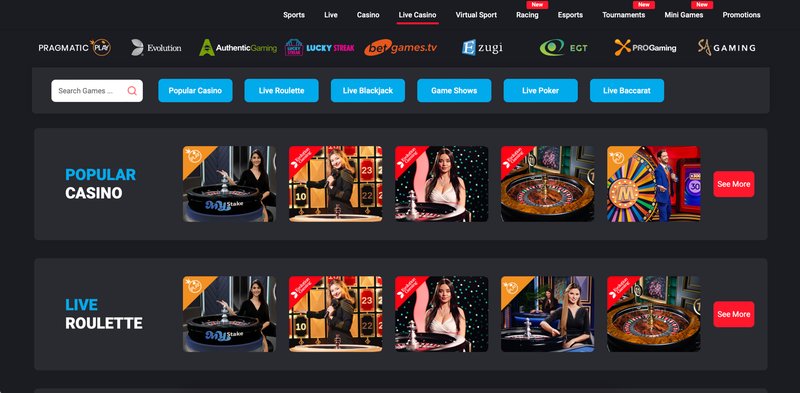
For those who enjoy both traditional and digital entertainment, this convergence offers a seamless transition. If you’re looking to blend a casual gaming session with a night out, a quick visit to Mystake can provide a lively backdrop that complements your mobile gaming routine.
Conclusion
Mobile gaming is no longer a niche hobby; it is a mainstream force that reshapes how the UK spends its leisure time, connects socially, and drives economic growth. While the freemium model introduces certain challenges—particularly around micro‑transaction pressure—it also democratizes access to entertainment. As smartphones continue to evolve, the next wave of mobile titles will likely push the boundaries even further, integrating more immersive graphics, cross‑platform play, and deeper social features. The takeaway? Whether you’re a casual player or a seasoned gamer, the mobile landscape offers a dynamic, accessible, and ever‑expanding playground that is redefining the UK’s entertainment horizon.